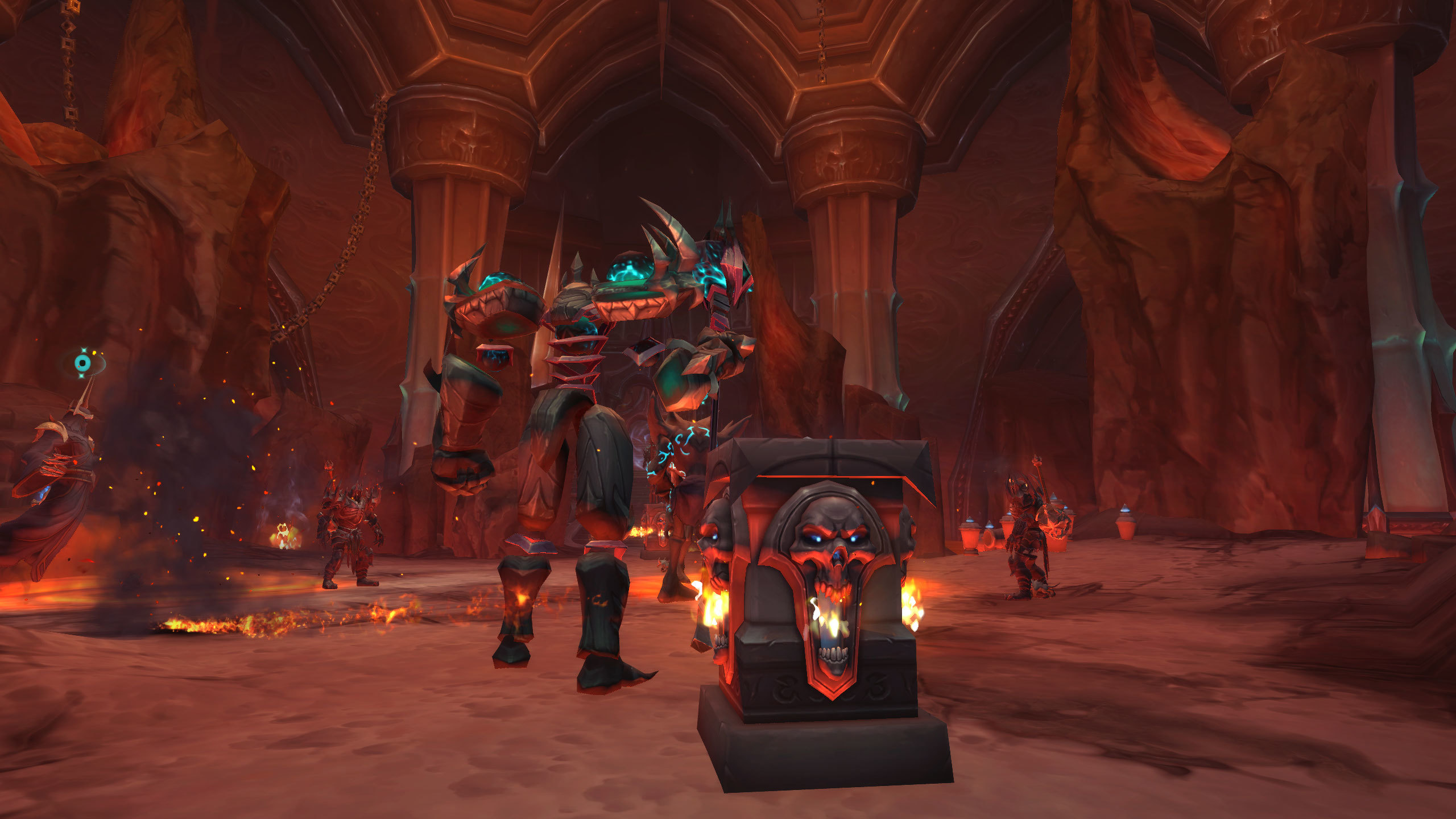
Dungeon environments increasingly apply pressure through persistent hazards that demand continuous movement. Rather than isolated mechanics, these dangers shape positioning decisions throughout entire pulls.
Standing still is no longer neutral—it is often a mistake.
From Occasional Mechanics to Persistent Threats
Earlier dungeons relied on brief, clearly timed hazards. Modern designs layer effects that linger, overlap, or relocate dynamically.
Movement becomes a constant requirement instead of a reaction.
Pressure Without Burst Damage
Environmental hazards rarely kill instantly. Instead, they drain resources, force repositioning, and disrupt planned pulls.
The danger accumulates over time.
Common Environmental Hazards That Shape Play
Design focuses on space denial and displacement.
- Expanding ground effects that shrink safe zones
- Rotating hazards that punish static positioning
- Environmental damage zones that persist between pulls
- Terrain features that limit escape paths
Space becomes a shared resource.
Impact on Pull Planning
Hazards influence where and when groups engage enemies. Poor positioning can make even manageable pulls chaotic.
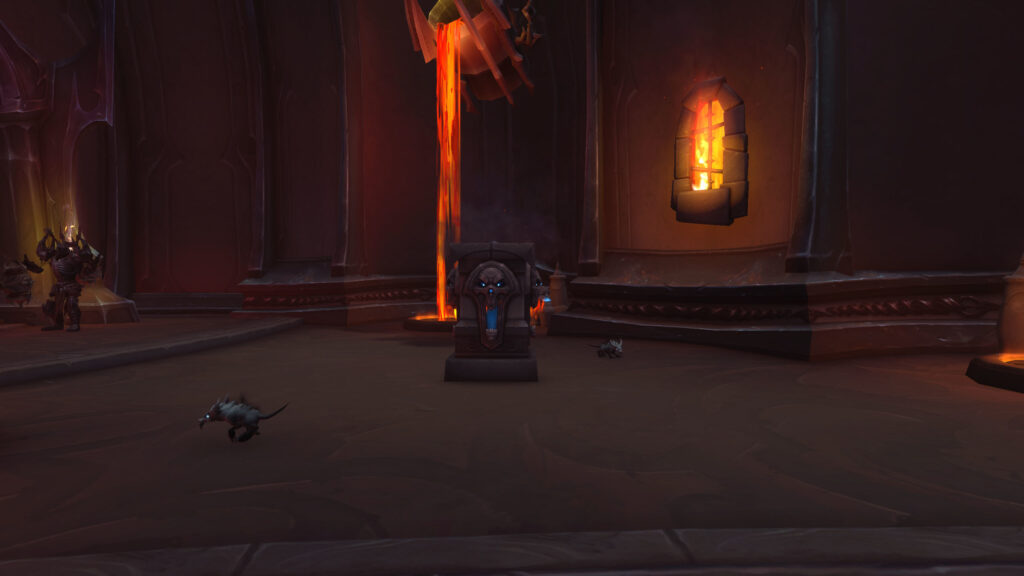
Location matters as much as enemy count.
Role-Specific Movement Demands
Tanks reposition enemies, healers adjust line-of-sight, and damage dealers maintain uptime while dodging pressure.
Movement expectations rise across all roles.
Fatigue as a Difficulty Lever
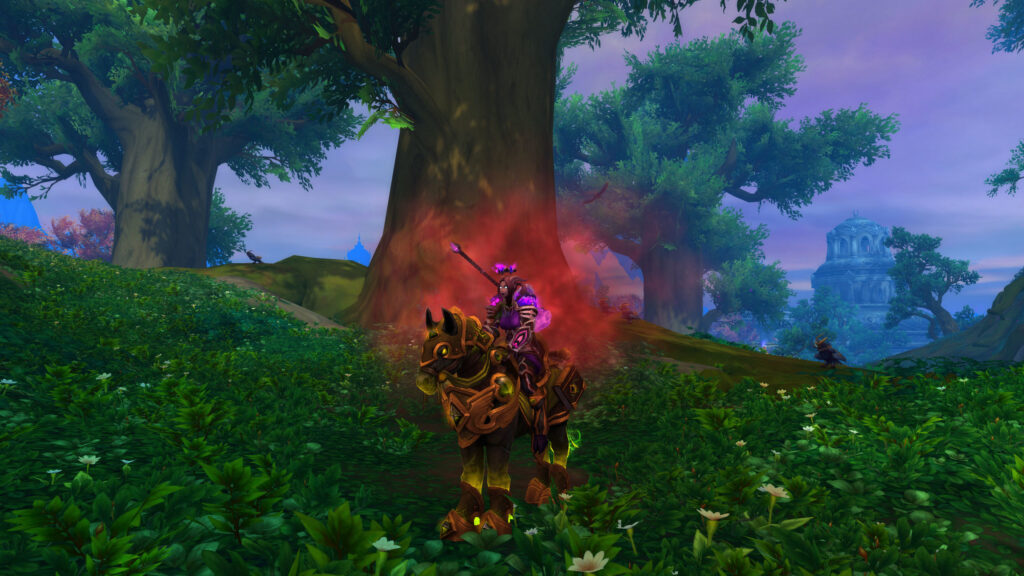
Constant movement taxes focus and stamina. Mistakes increase late in runs as attention wanes.
Endurance becomes part of execution.
Conclusion
Dungeon environmental hazards add constant movement pressure by turning space into an active challenge. Mastery now includes knowing where to fight, not just how to win.